Kratom is one of those plants that almost everyone has now heard of and almost no one can explain in a sentence. Ask ten people what it is and you will get ten answers: a coffee relative, a herbal pick me up, an opioid in disguise, a recovery aid, a dangerous drug. The honest answer is that kratom is more complicated than any of those labels, and the question people really want answered is simpler. Is it safe?
The short version is that kratom is not risk free, but most of the serious problems traced to it are tied to how it is used rather than to the plant itself. To understand why, it helps to look at what kratom actually is, what the research shows, and where the genuine risks sit.
What kratom is
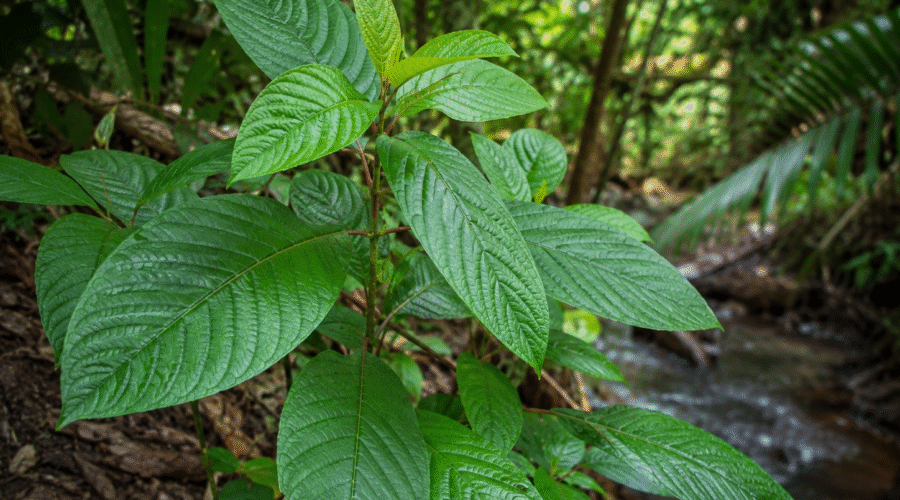
Kratom comes from the leaves of Mitragyna speciosa, a tree in the coffee family that grows across Southeast Asia. For generations, laborers in Thailand, Malaysia, and Indonesia chewed the fresh leaves or brewed them into a tea to push through long days of physical work and to ease aches and fatigue. That long history of traditional use is part of why the plant is interesting, and also part of why it is easy to oversimplify.
The effects come mostly from two compounds in the leaf: mitragynine and a smaller amount of 7-hydroxymitragynine. These interact with the same receptors in the body that opioids act on, which is why kratom can produce both stimulant like effects at lower amounts and more sedating, pain dulling effects at higher ones. That dual nature is exactly what makes blanket statements about the plant so unreliable. The same leaf can feel like a strong coffee or like something much heavier depending on dose, the person, and the product.
What the research actually says
It is worth being upfront about the state of the science. Kratom has not been studied with anything like the rigor we apply to approved medications. There are surveys, case reports, animal studies, and a growing but still limited body of human research. There are not large, long term clinical trials. Anyone who tells you the research definitively proves kratom is either perfectly safe or uniquely dangerous is reaching past the evidence.
What the research does suggest is more measured. Survey data consistently shows that a large share of people who use kratom report doing so to manage pain, to boost energy and mood, or to reduce their reliance on opioids or alcohol. Many describe it as helpful for those goals. At the same time, researchers have documented real risks: dependence with regular heavy use, withdrawal symptoms when stopping, and adverse events that in rare cases have been serious.
The pattern that emerges from the literature is not that kratom is harmless, and not that it is a hidden epidemic. It is that kratom carries a moderate risk profile that rises sharply with higher doses, daily use, and especially with combining it with other substances. For a fuller, well sourced walk through of that evidence, this safety overview is a useful reference: https://amazingbotanicals.net/learn/is-kratom-safe/
Where the real risks are
If you separate the headlines from the data, most of the genuine concern clusters around a few specific situations.
Adulterated and mislabeled products
Because kratom is not federally regulated in the United States, quality varies enormously between sellers. Some of the most alarming reports linked to kratom over the years turned out to involve contaminated product, including a salmonella outbreak traced to tainted supply, or products spiked with other substances. The plant did not cause those harms. Poor sourcing and a lack of testing did. This is the single most important safety variable a consumer controls, and it argues strongly for buying only from sellers who publish third party lab results.
Mixing with other substances
A striking finding in the case report literature is how often serious outcomes involved kratom taken alongside other drugs, prescription medications, or alcohol, rather than kratom on its own. Combining a substance that acts on opioid receptors with other depressants is the kind of interaction that turns a moderate risk into a real one.
Heavy daily use and dependence
Used occasionally and in modest amounts, most people do not run into trouble. Used in large doses multiple times a day over months, kratom can produce tolerance, dependence, and a withdrawal syndrome that, while generally milder than classic opioid withdrawal, is unpleasant and real. People who use it daily should know this going in rather than discovering it when they try to stop.
Vulnerable groups
There is not enough safety data to consider kratom appropriate during pregnancy or breastfeeding, and anyone taking prescription medication, especially anything that affects the liver or the central nervous system, should talk to a clinician first. People with existing liver or heart conditions have particular reason to be cautious.
What responsible use looks like
None of this means a curious adult cannot use kratom thoughtfully. It means treating it with the same respect you would give any substance that affects the body, rather than as a harmless herbal snack.
In practice, responsible use comes down to a handful of habits. Start low and go slow, because the difference between a stimulating amount and a sedating one is smaller than people expect. Avoid daily use if you can, since occasional use is where the risk stays lowest. Never combine it with alcohol, opioids, or sedatives. Buy only from vendors who test their products and will show you the results. And be honest with a healthcare provider about your use, especially if you take other medications, so nothing dangerous slips through unnoticed.
The bottom line
So, is kratom safe? The most accurate answer is that it sits in the same broad category as many other active substances people use every day. It is not harmless, the research is still maturing, and a small number of serious outcomes are real and worth taking seriously. But the bulk of the danger is concentrated in things people can actually control: product quality, dose, frequency, and what else they are taking at the same time.
A consumer who buys tested product, keeps their dose modest, avoids mixing, and pays attention to their own body is in a very different risk position than someone taking large unknown doses of an untested product alongside other drugs. Kratom is not a miracle and it is not a menace. It is a plant with real effects that rewards being treated with a little caution and a lot of honesty.
This article is for general education and is not medical advice. Talk to a qualified healthcare professional before using kratom, especially if you are pregnant, breastfeeding, or taking other medications.
DISCLAIMER: The Site cannot and does not contain medical / health advice. The medical / health information is provided for general informational and educational purposes only and is not a substitute for professional advice. Accordingly, before seeking any form of medical advice, diagnoses or treatment based upon such information, we encourage you to consult with your GP or other qualified health practitioner. You must never disregard professional medical advice or delay in seeking it because of something mentioned on this Site. The use or reliance of any information contained on the Site is solely at your own risk.