Healthcare has always evolved when a new tool is introduced in the industry, but the speed of change in recent years has been quite fast. Modern patient care has been revolutionized by technology that has made diagnosis easier and more accurate, and has made clinical work simpler.
From storing patient records to conducting consultations, technology is changing the way we provide and receive care. It means patients can have quick access, better communication, and more personalized treatment.
This transformation has reduced the paperwork in healthcare practices, which allows doctors to give more attention to their patients.
The Role of Technology in Improving Patient Care
Technology is not used to replace humans, rather it is utilized to enhance the work and to do it faster. It helps to improve care quality by managing paperwork and freeing healthcare providers for patient care.
Patients get an opportunity to be engaged in their treatment when they have easy access to their medical reports. Many healthcare practices have introduced patient portals, which help patients see their reports, prescriptions, and can ask non-emergency issues with their consultant.
As the aging population is increasing, this leads to an increase in chronic diseases. In these cases, the role of technology is crucial as it allows doctors to fit in even more patients without having to deal with paperwork.
Digital health records and data accessibility
Technology has brought a major shift from paper-based records to electronic records in the healthcare industry. Patient information is readily available to authorized health care professionals. This accessibility gives benefits to the patient. For instance, when a patient visits a specialist, his/her General physician will have access to past medical history, test results, etc.
In this way, specialists will not request tests that patients are already being given. Based on these reports, they can begin patient treatment. Patients don’t have to keep physical copies of their reports, either.
Many health care providers have patient-central portals where patients can access their medical records, their treatment plans and can speak to their consultants.
Automation in administrative and clinical tasks
Automation in routine and administrative tasks such as scheduling, billing, and insurance verification saves healthcare providers time, and they can spend more time seeing patients. These tasks can be automated or delegated to support staff easily.
Automation tools have the ability to handle these tasks efficiently compared to manual handling. Appointment reminders play an important role in reducing no-show rates. Additionally, automated billing systems reduce coding errors.
Technology has also eliminated the barrier of geographical boundaries, and healthcare practices with high patient volume are delegating their administrative tasks to virtual healthcare assistants.
Telemedicine and remote consultations
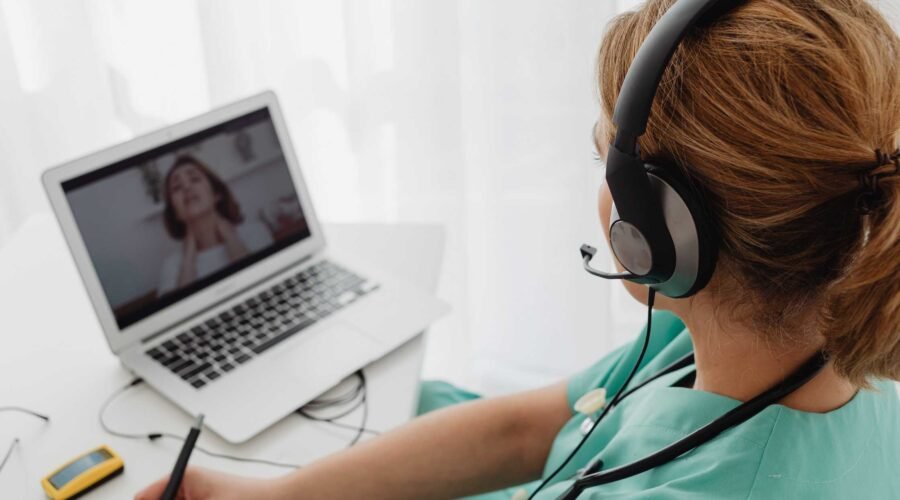
Telemedicine has brought ease for patients residing in remote areas. Patients can consult with the doctors without travelling to a clinic by using video consultations, phone appointments and secure messaging platforms.
Individuals in under-reserved regions have a superb chance to interact with specialists. People can also get therapies and counselling for mental health. Patients can have their checks from their own sofa or bed, and they don’t need to take the time off work to see the doctor.
Artificial intelligence in diagnosis and decision support
AI is making a significant impact, serving as an invaluable clinical decision support system. It helps professionals in the analysis of medical imagery and in identifying complex issues.
For example, in radiology, AI tools can help detect certain conditions in scans with high accuracy. In general healthcare settings, AI can also assist physicians to think about other potential disorders in general healthcare settings that they may have not initially thought of, lowering the risk of delayed or missed diagnoses.
These tools are most effective when they effortlessly integrate with existing healthcare workflows and facilitate communication between healthcare providers and patients. This isn’t to replace doctors, nurses or any other health care provider, but to help them make better decisions and care for their patients.
Remote monitoring and wearable health devices
The use of wearable technology and remote monitoring devices display an important role in patient care by enabling the tracking of health information in new environments, such as outside the hospital or clinic.
Smartwatches, glucose monitors, blood pressure monitors, heart trackers and breathing monitors can transmit health information to health care providers in real time.
For patients who are suffering from heart diseases, diabetes, or respiratory system problems, continuous monitoring can enable them to detect warning signs in advance that could deteriorate their condition.
Patients, after recovering from surgery, can also be monitored remotely. Minimizing patient travel and saving their time.
Conclusion
Technology is not taking the place of health care workers. It is helping them to treat patients more efficiently and identify problems early, thereby enabling patients to get better quicker. Digital records help with communication and telemedicine provides a chance to those in underserved communities to receive better health care.
Similarly, automation reduces administrative burden, and support teams help doctors provide more attention to their patients than to paperwork. All these improvements have a single aim, which is to ensure that patients receive better care.
DISCLAIMER: The Site cannot and does not contain medical / health advice. The medical / health information is provided for general informational and educational purposes only and is not a substitute for professional advice. Accordingly, before seeking any form of medical advice, diagnoses or treatment based upon such information, we encourage you to consult with your GP or other qualified health practitioner. You must never disregard professional medical advice or delay in seeking it because of something mentioned on this Site. The use or reliance of any information contained on the Site is solely at your own risk.