A stroke can affect daily life in many ways. Some people may experience weakness on one side of the body, difficulty walking, balance problems, speech changes, swallowing concerns, memory issues, emotional changes, or reduced independence in everyday activities.
Once emergency medical care is complete and the person is medically stable, families often have one important question: when to start physiotherapy after stroke?
The answer depends on the person’s medical condition, the advice of their doctor, and the level of support they need. However, physiotherapy and wider rehabilitation support are often an important part of the recovery journey.
Mayo Clinic describes stroke rehabilitation as a programme of different therapies that may help people relearn skills affected by stroke, including movement, speech, strength, and daily living skills. For families searching for stroke physiotherapy in Pune, understanding the role of therapy can make it easier to choose the right support after hospital discharge.
Why Physiotherapy After Stroke Is Important
After a stroke, movement may not feel the same as before. A person may find it difficult to sit, stand, walk, hold objects, climb steps, or move safely from bed to chair. Some people may also feel fearful of falling or unsure about how much activity is safe.
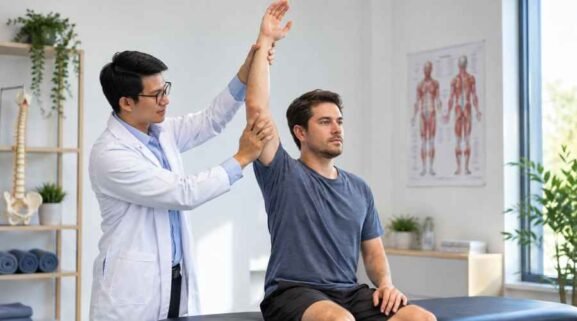
This is where physiotherapy after stroke may support the recovery process. A physiotherapist can guide safe movement practice, posture correction, balance training, walking practice, stretching, strengthening, and transfer training.
The aim is not only to move the body. The wider goal is to support safer daily function. For example, therapy may focus on sitting balance, standing tolerance, walking confidence, hand and leg movement, or basic tasks that help the person become less dependent.
The CDC notes that rehabilitation after stroke may include working with physical, occupational, and speech therapists. Physical therapy can help people relearn movement and coordination skills that may have been affected.
When to Start Physiotherapy After Stroke
One of the most common questions families ask is: when to start physiotherapy after stroke?
In many cases, rehabilitation begins while the patient is still in the hospital, once the person is medically stable and the doctor allows it. Mayo Clinic says stroke rehabilitation commonly starts as soon as 24 to 48 hours after stroke while the person is in the hospital. The CDC also says rehabilitation after stroke often begins in the hospital within a day or two.
Early support may include simple and safe activities such as positioning, assisted sitting, gentle movement, breathing exercises, balance practice, and basic mobility training. Families should not force walking or exercises without professional guidance, especially in the early stage.
The right time to begin depends on factors such as:
- Medical stability
- Stroke severity
- Blood pressure and heart condition
- Level of consciousness
- Muscle weakness or stiffness
- Swallowing and breathing safety
- Doctor’s recommendation
- Availability of trained rehabilitation support
Starting early does not mean rushing. It means beginning the right level of activity safely, under qualified supervision.
What May Be Included in Stroke Physiotherapy?
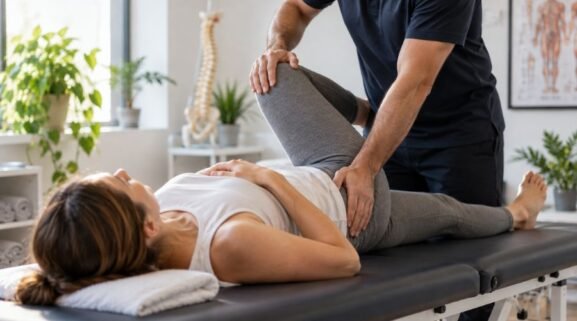
A stroke physiotherapy plan should be based on the individual’s condition. A person with mild weakness may need balance and walking practice. Someone with more severe limitations may first need help with bed mobility, sitting balance, joint movement, and safe transfers.
A physiotherapy plan may include:
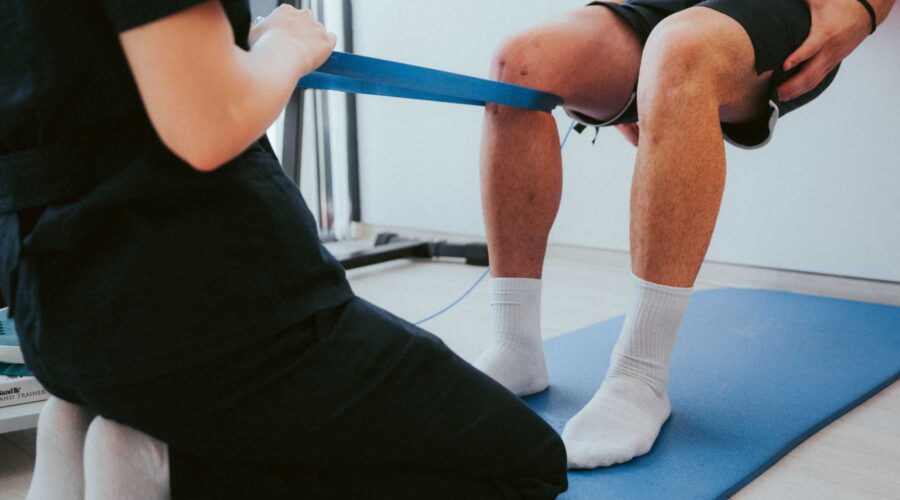
- Strength and flexibility exercises
- Balance and coordination practice
- Walking and gait training
- Posture correction
- Bed mobility training
- Transfer training from bed to chair
- Hand and leg movement practice
- Fall-prevention guidance
- Safe use of mobility aids such as a walker, stick, wheelchair, or ankle support
Mayo Clinic lists motor-skill exercises, mobility training, range-of-motion therapy, and use of mobility aids as possible parts of physical rehabilitation after stroke.
The plan should change as the person progresses. Early sessions may focus on safety and basic movement. Later sessions may focus on walking distance, hand function, stamina, stairs, confidence, and daily independence.
Role of Neuro Physiotherapy in Pune
General physiotherapy and neuro physiotherapy in Pune are not exactly the same. Neuro physiotherapy focuses on movement difficulties linked with the brain, spinal cord, and nervous system. After a stroke, the body may need more than general exercise because movement control, balance, coordination, sensation, and posture may all be affected.
A neuro physiotherapist may guide activities that support:
- Relearning controlled movement
- Improving sitting and standing balance
- Managing stiffness and muscle tightness
- Improving walking confidence
- Supporting hand and leg function
- Practising safer transfers
- Helping families understand safe handling methods
This type of support is usually goal-based. For one person, the goal may be to sit without support. For another, it may be to walk with assistance, hold a spoon, use the bathroom safely, or move from bed to chair with less help.
The focus should always be realistic, safe, and personalised.
Why the Early Recovery Period Matters
The first few weeks and months after stroke are often a key period for rehabilitation planning. Progress can continue beyond the first few months, depending on the person’s condition, therapy consistency, and overall support.
Many people continue to work on function for a long time. However, early guidance can help families avoid unsafe movement habits, inactivity, falls, and unnecessary dependency.
Mayo Clinic notes that the rate of recovery is generally greatest in the weeks and months after a stroke, although improvement may still happen 12 to 18 months later.
For families, the practical message is simple: do not delay asking for rehabilitation advice after discharge. Even if the person is not ready for active walking practice, they may still need positioning support, joint movement, sitting practice, swallowing guidance, family training, or home safety planning.
What Families Should Ask Before Choosing Support
Before choosing a physiotherapist, home-care provider, or rehabilitation centre, families can ask a few practical questions.
1. Is the plan personalised?
The therapy plan should be based on the person’s current abilities, not a fixed routine. Stroke recovery varies from person to person, and the plan should reflect that.
2. Is neuro physiotherapy available?
After a stroke, therapy often needs to focus on movement control, balance, coordination, and safe functional activity. A neuro physiotherapy approach may be more suitable than a general exercise-only plan.
3. Are other therapies available if needed?
Some people may also need occupational therapy, speech and swallowing support, psychological support, or nursing care.
4. How is progress reviewed?
Families should receive clear updates on mobility, balance, strength, daily function, safety, and next goals.
5. Will the family be trained?
Family members often support the person at home. They should understand safe transfers, positioning, exercise precautions, fall prevention, and when to seek medical advice.
A Local Option Families Can Review
Families comparing local rehabilitation support can review Apricot Care’s information on stroke physiotherapy in Pune. Their page describes centre-based stroke rehabilitation support that includes neuro physiotherapy, occupational therapy, speech and swallow therapy, nursing support, nutritional support, family training, and home-care guidance.
This type of information can help families understand what questions to ask before choosing between home sessions, outpatient therapy, or a more structured rehabilitation setting.
How Long Does Stroke Rehabilitation Take?
There is no fixed timeline. Some people improve within weeks, while others need months or longer. Recovery depends on stroke severity, age, medical condition, therapy consistency, emotional wellbeing, family support, and how early rehabilitation begins.
The CDC says recovery time after stroke is different for everyone and may take weeks, months, or even years. Families should focus on steady progress rather than comparing one person’s recovery with another.
Useful signs of progress may include:
- Better sitting balance
- Safer standing
- Improved walking confidence
- Better hand control
- Clearer communication
- Safer swallowing
- Reduced help needed for daily activities
- Better participation in family routines
Even small improvements can be meaningful when they improve safety, dignity, and daily comfort.
Stroke recovery can feel overwhelming for both the person affected and their family. Physiotherapy, neurorehabilitation, occupational support, speech support, nursing care, and family education may all play a role depending on the person’s needs.
The most important step is to seek guidance early and follow a plan that is safe, realistic, and supervised by qualified professionals. Families should speak with the person’s doctor or rehabilitation team before starting or changing any therapy routine.
If your family is unsure whether home sessions or centre-based rehabilitation is more suitable, start by discussing the patient’s condition with a qualified medical professional. Then compare local rehabilitation options, ask about therapy planning, safety support, family training, and follow-up care, and choose the setting that best matches the patient’s needs.
DISCLAIMER: The Site cannot and does not contain medical / health advice. The medical / health information is provided for general informational and educational purposes only and is not a substitute for professional advice. Accordingly, before seeking any form of medical advice, diagnoses or treatment based upon such information, we encourage you to consult with your GP or other qualified health practitioner. You must never disregard professional medical advice or delay in seeking it because of something mentioned on this Site. The use or reliance of any information contained on the Site is solely at your own risk.