
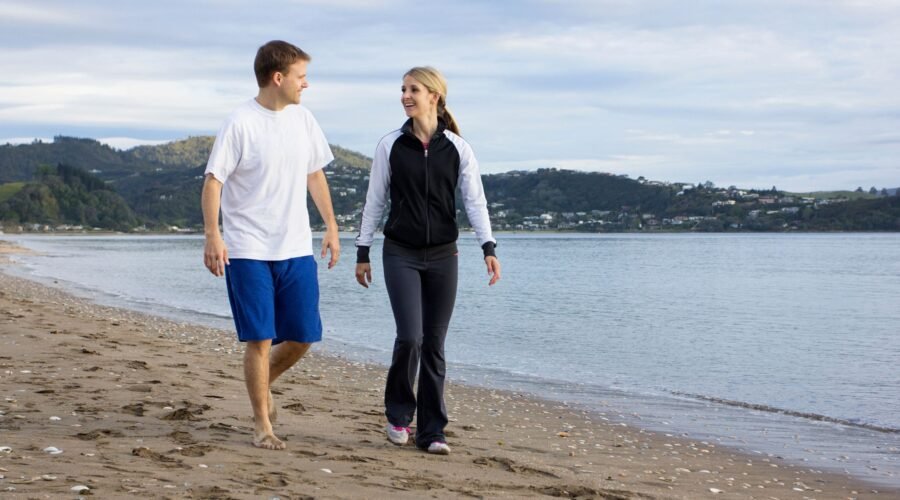
Think of a typical therapy session, and you likely picture sitting on a sofa or plush chair in a small, modern office, with your therapist sitting opposite you. What you likely don’t imagine is walking on a beach or sitting on a bench at your local park while you work through some of life’s many challenges.
However, that’s the reality of walk-and-talk therapy. Rather than sitting in an office, where you may not feel entirely comfortable, you get out in nature with your therapist to process difficult emotions and feel at peace. If you’re always interested in exploring new therapy concepts, learn more about walk-and-talk therapy below to see if it’s right for you.
The Benefits of Walk-and-Talk Therapy
If you’re not yet ready to find a walk-and-talk therapist in San Francisco or another area, you may feel more confident to take the first step by learning about the many outstanding benefits that many therapy clients experience:
Reduced Intimidation
Some people have no problem holding one-on-one discussions in a therapist’s office, but many people do. Maintaining eye contact while discussing challenging experiences can be hard. Walking side by side out in nature can remove some of that pressure. The conversation can often feel more like a collaborative discussion, rather than a formal appointment.
Stress Releaseta
It can sometimes feel as though you don’t have somewhere for all your stress and pent-up energy to go during a traditional therapy session. However, walk-and-talk therapy sessions provide somatic release. Physical movement is a natural outlet for your emotional energy, which may help regulate your nervous system and even reduce your psychological distress.
Creative Thinking
Many people find it helpful to meet with a therapist because they can bounce ideas off them and problem-solve. As gentle exercise increases cerebral blood flow, you may find that you’re better able to problem-solve and think creatively when you’re moving, as opposed to sitting in a therapist’s office.
Natural Grounding
Many people find it far easier to shift their nervous system out of a stress response when they’re out in nature. You have so many opportunities for natural grounding.
While walking and talking, you can focus on the sensory inputs around you, like how the ground feels under your feet, what the texture of the bark on the trees looks like, and how the wind sounds around your ears. The natural environment may make it easier to reduce anxiety, stress, and trauma responses.
What Science Says About Walk-and-Talk Therapy
Walk-and-talk therapy has been readily implemented in practices around the world since the 1990s. However, many therapists only began offering it because in-office appointments were a health risk during the COVID-19 pandemic. Since then, it has started to show its value for anxiety, depression, PTSD symptoms, freedom of expression, and more.
Some early studies indicated reduced stress in participants with mental illness who were more at risk for sedentary behavior. Another study found that delivering sessions outdoors may lead to improved engagement and outcomes among men, due to reduced direct eye contact and the indirect benefits of nature and physical activity. In a small qualitative study, participants reported feeling more self-accepting and self-aware, and having greater freedom of expression, after a walk-and-talk therapy session.
Could Walk-and-Talk Therapy Be Right for You?
Deciding to undertake therapy is one of the bravest and possibly the most life-changing decisions you can make for yourself. Walk-and-talk therapy might be right for you if you relate to these signs:
- You process information better when you’re on the move.
- You feel uncomfortable in clinic environments, which has prevented you from finding a therapist.
- You struggle with your feelings and want to feel more emotionally regulated during your therapy sessions. Many people find that physical movement helps them feel more in control of their emotional state.
- You love being out in nature. Natural resources may help regulate your mind and body and help during the therapeutic process.
- Sitting still is difficult or uncomfortable, so you prefer walking and talking.
- You feel overwhelmed and uncomfortable at the prospect of sitting across from someone and making eye contact while you talk.
- You want to process your emotions in a less direct way.
- You’ve tried conventional therapy methods, and you didn’t find them helpful.
What to Consider Before Your Session
If you’re about to participate in your first walk-and-talk therapy session, here are a few things to keep in mind:
- Being outdoors doesn’t mean going on a challenging hike. The environment you walk and talk in allows for a steady, comfortable pace, where you can take breaks and pauses.
- Privacy is a factor. You’re in a public or semi-private space, such as a park, which means that some environments feel less comfortable for deeper personal vulnerabilities.
- Some walk-and-talk therapy sessions can be changed to in-clinic sessions or canceled last-minute due to poor weather conditions.
Walk-and-talk therapy is a great option for people who love getting out in nature, do their best mental health work on the move, and who don’t feel comfortable in an office setting. If the traditional environment of therapy sessions has been holding you back from seeking mental health support, this nature-based therapy option could be worth your consideration.
DISCLAIMER: The Site cannot and does not contain medical / health advice. The medical / health information is provided for general informational and educational purposes only and is not a substitute for professional advice. Accordingly, before seeking any form of medical advice, diagnoses or treatment based upon such information, we encourage you to consult with your GP or other qualified health practitioner. You must never disregard professional medical advice or delay in seeking it because of something mentioned on this Site. The use or reliance of any information contained on the Site is solely at your own risk.