
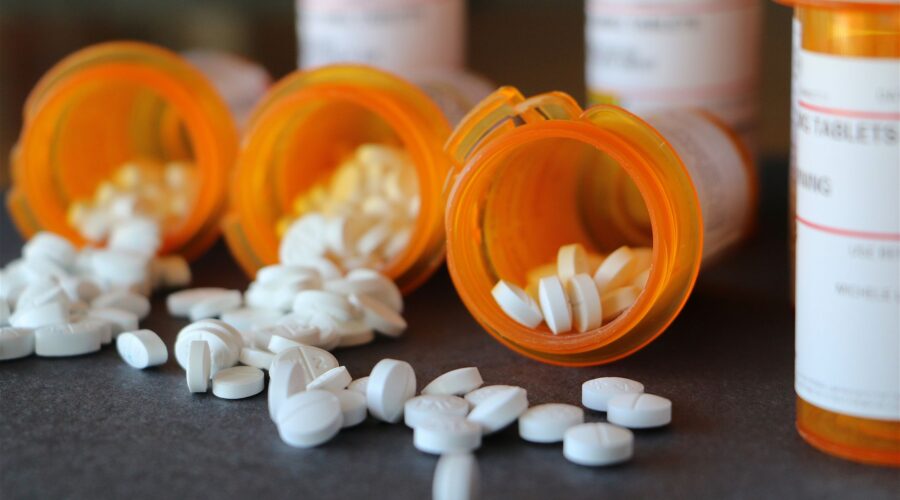
Virtual care has changed how people start treatment, renew ongoing medicines, and manage minor illnesses. But the idea that someone can get a prescription written online free often leaves out the key point: a prescription is a clinical decision, not just a form to complete.
In the United States, online prescribing usually happens as part of a telehealth visit. That model can reduce travel and wait times for routine problems, while still keeping medical judgment at the center. One example is Medispress, which provides flat-fee telehealth visits with licensed U.S. clinicians via video appointments in a secure, HIPAA-compliant app. Clinicians make all clinical decisions, and when clinically appropriate, providers may coordinate prescription options through partner pharmacies, subject to state regulations.
What an online prescription visit actually involves
Yes, many people can receive a prescription without going to a clinic in person. But that does not mean without being assessed by a clinician. In most legitimate settings, a licensed professional still reviews symptoms, medical history, allergies, current medicines, and red flags before deciding anything.
Most legitimate services also create a medical record and document why a prescription was or was not written. That record matters for continuity of care. It helps if you later need follow-up, a refill review, or an in-person exam with another clinician.
That review matters because not every symptom is safe to treat remotely. A rash might be mild eczema, or it might be part of a drug reaction. Urinary symptoms might be a simple infection, or they might point to pregnancy, kidney problems, or something that needs a test.
Not every online visit ends with a prescription. A clinician may recommend self-care, ask for home readings such as blood pressure, arrange tests, or tell you that urgent or emergency care is the safer next step.
When remote prescribing may be appropriate
Virtual prescribing tends to work best when the condition is common, the symptoms are straightforward, or the diagnosis is already established. It is often used for follow-up care and medication management, not just first-time treatment.
- Often suitable: seasonal allergies, minor skin conditions, contraception review, some uncomplicated urinary symptoms in adults, and refills for stable long-term medicines when monitoring is up to date.
- Often not suitable: chest pain, severe shortness of breath, stroke symptoms, heavy bleeding, sudden confusion, severe abdominal pain, a mental health crisis, or symptoms in a very young infant.
The middle ground is where clinical judgment matters most. For example, antibiotics are not appropriate for every sore throat or sinus problem, and some chronic medicines still require blood tests, weight checks, or an in-person exam before a refill is safe.
Established long-term conditions sit between convenience and caution. A refill for blood pressure medicine may be reasonable if your readings are stable, but not if you have side effects, missed monitoring, or signs that the diagnosis needs to be revisited.
Why free care is more complicated than it sounds
A prescription is not a standalone service. It sits inside assessment, documentation, legal review, and follow-up planning. So when people ask whether online prescribing is free, the real answer is usually that the visit may be covered by an insurer, employer benefit, student health plan, community clinic, or public program.
Even then, different parts of care may be handled separately. A visit may be covered while lab work is not. The clinician may decide that no medicine is needed, or that the medication is appropriate but the pharmacy cost is separate from the consultation.
That is why the phrase free prescription can mislead. The medicine may be the visible outcome, but the real service is clinical assessment. In responsible care, a clinician is paid for time, judgment, and accountability, even when the patient does not see a bill at the point of use.
- the telehealth consultation itself
- tests or monitoring needed before treatment
- the medicine dispensed by a pharmacy
- follow-up review if symptoms change or do not improve
This is also why diagnosis alone does not automatically make prescriptions free. People with rheumatoid arthritis, for example, may qualify for different kinds of coverage depending on their country, insurer, and specific plan, but the condition itself is not a universal pass to free medication or visits.
Why some medicines face tighter rules
Some drugs can be prescribed online more easily than others. Medicines with higher misuse risk, stronger side effects, or stricter monitoring rules usually face a much higher bar.
Lorazepam is a good example. It is a benzodiazepine, and in many settings it is treated as a controlled substance. A clinician may need to assess anxiety, panic symptoms, sleep problems, substance use history, other sedating medicines, and safety risks before deciding whether it is appropriate. Depending on state and federal rules, they may decide that another treatment, closer monitoring, or an in-person evaluation is safer.
The same principle applies to many opioids, stimulants, hormone treatments, and medicines that need lab checks or pregnancy safeguards. Some telehealth services do not prescribe certain categories at all, because the limits are part of safe practice rather than inconvenience.
People also sometimes ask about homeopathic prescriptions. Many homeopathic products are sold without prescriptions and do not follow the same pathway as prescription drugs. That does not mean they are the right answer for persistent or serious symptoms, which still deserve clinical assessment.
How to judge an online service safely
The safest question is not whether a service can write a prescription fast. It is whether the service practices medicine in a careful, accountable way. A credible platform should be clear about its limits as well as its process.
- uses licensed clinicians and makes clear which states they can practice in
- asks detailed questions about symptoms, allergies, pregnancy, chronic conditions, and current medicines
- does not promise that every visit ends with a prescription
- explains when you need urgent, emergency, or in-person care instead
- protects privacy and gives clear after-visit instructions
Be cautious if a site seems willing to prescribe after only a few clicks, avoids discussing risks, or encourages people to request a specific drug first. Speed can be useful in healthcare, but it should not replace diagnosis.
For patients, a short checklist helps: What condition is being treated? Is virtual care appropriate for it? What monitoring is needed? What happens if symptoms get worse? Those questions are often more important than whether a prescription can be issued at all.
The bottom line
Online prescriptions are now a normal part of healthcare access. They can make routine care easier, especially for common problems and established treatment plans, but they are not a shortcut around clinical judgment, state rules, or safety checks.
In practice, the best starting point is the health problem itself, not the promise of a prescription. When a remote visit matches the condition and the service uses proper clinical review, virtual prescribing can fit safely into everyday care.
DISCLAIMER: The Site cannot and does not contain medical / health advice. The medical / health information is provided for general informational and educational purposes only and is not a substitute for professional advice. Accordingly, before seeking any form of medical advice, diagnoses or treatment based upon such information, we encourage you to consult with your GP or other qualified health practitioner. You must never disregard professional medical advice or delay in seeking it because of something mentioned on this Site. The use or reliance of any information contained on the Site is solely at your own risk.