
The first hour after a bite or sting is when simple, calm actions make the biggest difference. Most reactions stay mild if you clean the area promptly, reduce further irritation, and watch for warning signs. Knowing local insect activity ahead of time also helps—check a regional bug bite forecast for your area so you can plan outdoor time more confidently. The steps below focus on practical first aid for mosquitoes, ticks, and bees. They are general guidance only. Seek medical advice if you have any concerns, known allergies, or unusual symptoms.
Quick Overall Principles
- Stay calm and move away from the area if more insects are present.
- Wash your hands before touching the site.
- Avoid scratching. Scratching breaks the skin and raises the chance of secondary irritation.
- Clean the area gently.
- Apply cool compresses if it feels helpful.
- Note the time and any symptoms so you can monitor changes.
Mosquito Bites
Mosquitoes leave a small amount of saliva that often causes itching and a raised red mark.
- Wash the site with mild soap and clean water to remove saliva residue.
- Pat dry—do not rub.
- Apply a clean cool compress or a cloth soaked in cool water for 10–15 minutes. This can ease the initial warmth and itch.
- Keep the area clean and uncovered if possible, or cover loosely with a clean bandage if clothing will rub against it.
- Resist the urge to scratch. If itching is intense, a non-medicated skin protectant or simple moisturiser may offer temporary comfort for minor irritation.
Most mosquito reactions settle within a day or two. Seek medical advice if swelling spreads rapidly, you develop fever, or the site becomes increasingly painful or shows signs of infection.
Tick Bites
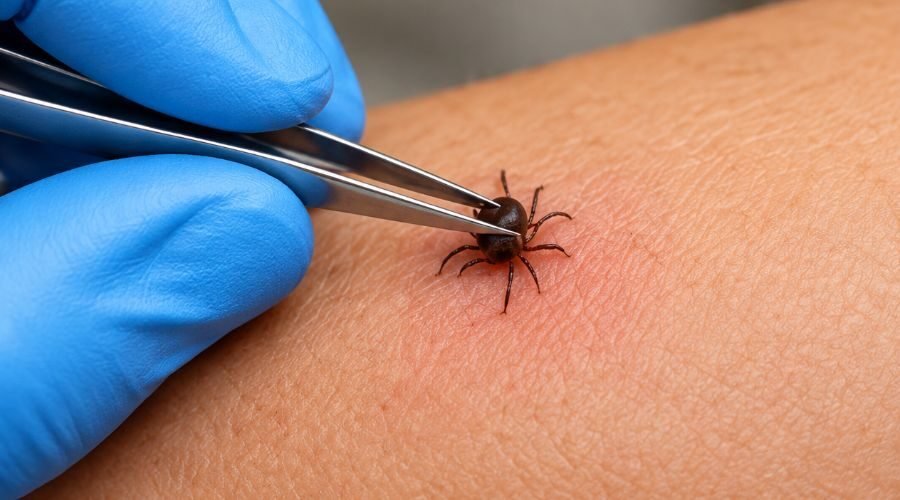
Ticks can attach firmly and remain for hours. Prompt, careful removal is the priority.
- Use fine-tipped tweezers. Grasp the tick as close to the skin as possible.
- Pull upward with steady, even pressure. Do not twist, jerk, or crush the tick’s body.
- Once removed, clean the bite area and your hands thoroughly with soap and water or an alcohol wipe.
- Place the tick in a sealed container or bag if you want to keep it for identification later. Note the date and location of the bite.
- Wash the site again and apply a clean cool compress if desired.
Do not use petroleum jelly, heat, or other folk methods to remove a tick—these can make it harder to extract cleanly. After removal, watch the site and how you feel over the following days and weeks. Contact a healthcare professional if a rash develops, you experience flu-like symptoms, or you have other concerns. Early medical advice is especially important in areas where certain tick-borne illnesses occur.
Bee Stings
Honeybees leave a stinger with a venom sac. Other stinging insects (wasps, hornets) usually do not.
- If a stinger is visible, remove it quickly. Scrape it sideways with a fingernail, the edge of a credit card, or a similar flat object. Avoid pinching or squeezing the sac.
- Wash the area with soap and water.
- Apply a cool compress for 10–15 minutes to help limit swelling and discomfort.
- Elevate the area if it is on an arm or leg and keep it still if possible.
- For mild local reactions, over-the-counter antihistamines or simple cool compresses are commonly used for comfort. Follow package directions and any personal medical advice.
Important: If you have a known severe allergy to insect stings, use your prescribed adrenaline auto-injector immediately according to your action plan and call emergency services. Signs that require urgent medical help include difficulty breathing, swelling of the face, lips or throat, widespread hives, dizziness, or a rapid drop in blood pressure. Even without a known allergy, seek emergency care if these symptoms appear.
When to Get Professional Help Within the First Hour (or Sooner)
Call emergency services or go to urgent care if:
- Breathing becomes difficult or the face, lips, or tongue swell.
- There is widespread rash, dizziness, or feeling faint.
- The person has a known severe allergy and has been stung.
- A tick cannot be fully removed or the mouthparts remain embedded.
- The person is a young child, elderly, or has a medical condition that raises concern.
For less urgent but still important issues (spreading redness, increasing pain, fever, or a bull’s-eye-type rash later), contact a doctor or pharmacist promptly.
After the First Hour
Continue gentle care: keep the area clean, avoid further trauma, and monitor. Most minor bites and stings improve with basic hygiene and time. Prevention remains the best approach—protective clothing, appropriate repellents where suitable, and awareness of local conditions all help reduce encounters.
A clear head and a few simple steps in the first hour usually keep a routine bite or sting from becoming more troublesome. When in doubt, professional medical advice is the safest next step.
About the Author
This article was written for Treatwiser readers by the team behind Just Bite Me, a Canadian natural skin-protectant brand focused on temporary relief of minor skin irritation and itching from outdoor insect activity. Learn more at justbiteme.com.
Disclaimer
DISCLAIMER: The Site cannot and does not contain medical / health advice. The medical / health information is provided for general informational and educational purposes only and is not a substitute for professional advice. Accordingly, before seeking any form of medical advice, diagnoses or treatment based upon such information, we encourage you to consult with your GP or other qualified health practitioner. You must never disregard professional medical advice or delay in seeking it because of something mentioned on this Site. The use or reliance of any information contained on the Site is solely at your own risk.