Polycystic Ovarian Disease (PCOD) is the most common of the hormonal disorders in women that affect the reproductive age system. It is marked by irregular periods, hormone imbalance, cysts in the ovaries, obesity, acne, excess hair growth, and infertility. Though traditional medicine tends to treat PCOD in terms of managing symptoms of the disease, Ayurveda treatment is a more comprehensive approach which seeks to eliminate the cause of the problem.
The Ayurvedic treatment of PCOD includes balancing of doshas in the body, improvement of metabolic processes, detoxification of the body, and proper functioning of reproductive organs.
What is PCOD?
PCOD is an endocrine disorder where the ovaries make either immature or partially developed eggs, resulting in the formation of small cysts. This may result in hormonal imbalances, irregular ovulations, and other metabolic disorders.
Symptoms of PCOD may include:
- Irregular or absence of periods
- Obesity or weight gain especially in the abdomen area
- Facial and excessive hair on the body
- Acne and oily skin
- Hair loss
- Inability to conceive
- Feelings of tiredness
The exact causes of PCOD are unknown, although some of the contributing factors may be genetics, insulin resistance, stress, poor diet, and a lack of exercise.
How Does Ayurveda View PCOD?
PCOD is not only considered a disease of the reproductive system in Ayurvedic medicine; it is rather a sign of the dosha imbalance in the body, especially Kapha and Vata.
The increased activity of the Kapha dosha causes the excessive production of tissues and obstructions in the reproductive passages. Meanwhile, the Vata dosha imbalance affects the reproductive process and its normal flow by disturbing the process of ovulation.
Another cause of PCOD is the decreased function of digestion or Agni in the body that results in the formation of toxins or Ama in the body.
Ayurvedic Treatment for PCOD – An Individualized and Holistic Approach
What makes Ayurveda one of the most effective forms of treatment is its customized method.
1. Herbal Medicines for Hormonal Equilibrium
Herbal medicines from the Ayurveda system of treatment have long been known for their use in helping maintain reproductive and hormonal health in women.
The most popularly recommended herbs are:
- Shatavari – This herb has always been celebrated for its reproductive tonic qualities for women. It works well to nourish the reproductive organs of the body.
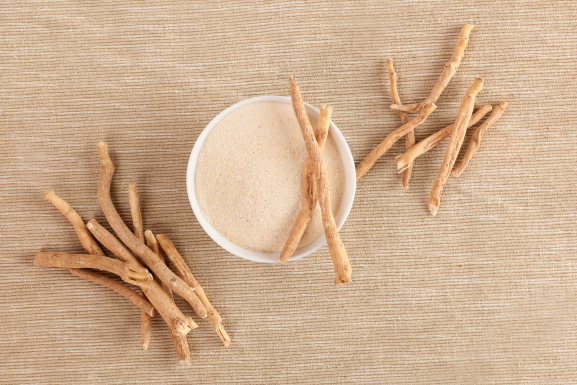
- Ashwagandha – Used traditionally to manage stress, Ashwagandha helps regulate the cortisol levels in your body.
- Lodhra – Lodhra is usually prescribed for women’s health problems and supports healthy menstruation.
- Guduchi – It is a revitalizing medicine that helps boost metabolism and immunity.
2. Detoxification Through Panchakarma
Ayurveda is an ancient system of medicine which attaches great importance to detoxifying the body of toxins. The panchakarma procedure is specifically aimed at cleansing the body and bringing back equilibrium.
The procedures that are used for this purpose according to the condition of the person are as follows:
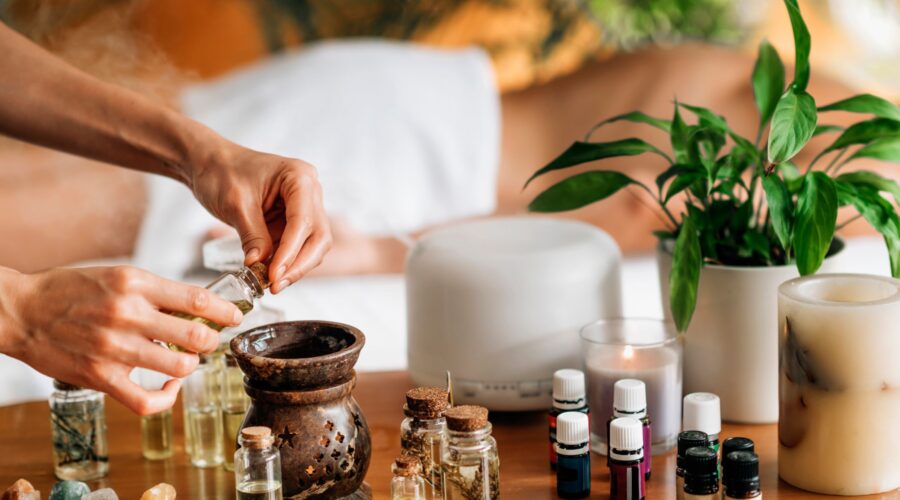
- Abhyanga (therapeutic oil massage)
- Swedana (herbal steam bath)
- Virechana (therapeutic purging)
- Basti (enemas using herbs).
3. Diet: The Basis for Treatment
In Ayurveda, food is believed to be the most potent medicine available. Patients suffering from PCOD are recommended to consume foods that aid in digestion and help lower their Kapha levels.
A diet plan for people with PCOD in Ayurveda should consist of:
- Seasonal vegetables
- Healthy oils from seeds and nuts
- Grains
- Legumes
- Fruits
- Warm and fresh food
However, some of the foods that should be avoided are:
- Sugar
- Snacks
- Oil-rich foods
- Milk
- Juices with sugar content
4. Managing Stress Naturally
Stress is one of the important factors involved in the functioning of hormones. There have been cases wherein most women have observed that their symptoms of PCOD get aggravated by stress.
Ayurvedic medicine advises practices like:
- Mediation
- Breathing exercises
- Mindful practices
- Sufficient sleep
- Connecting with nature
Through relaxation of the nervous system, this helps maintain healthy hormone function.
The Significance of Yoga in Treating PCOD
Yoga makes an excellent companion for Ayurvedic therapy. Yoga positions increase blood flow in the pelvic area, promote endocrine activity, and alleviate stress.
Following are the yogic poses which would suit females with PCOD:
- Butterfly Pose (Baddha Konasana)
- Cobra Pose (Bhujangasana)
- Bridge Pose (Setu Bandhasana)
- Child’s Pose (Balasana)
- Sun Salutations (Surya Namaskar)
Apart from that, Yoga
Benefits of Choosing Ayurveda for PCOD
Many women choose Ayurveda since it is based on achieving wellness in the long term rather than symptomatic treatment. Some of the possible benefits of Ayurveda in this condition are listed below:
- Increased menstrual regulation
- Regulation of hormones
- Better digestion and metabolism
- Healthier weight maintenance
- Lowering of stress and anxiety
- Reproductive system support
- Increased energy
As each woman’s experience with PCOD is different, results can differ as well.
Final Thoughts
Living with PCOD may seem difficult at times, but it should be noted that the condition can be properly managed by adopting the proper methods. The Ayurvedic system is a wholesome and holistic system of healing and wellness, which not only treats the symptoms but the underlying problems of hormone imbalance.
The solutions offered by Ayurveda come in the form of custom-made herbal remedies, changes in diet, stress management, yoga, and healthy living style, which helps your body regain its best state of functioning.
If you are planning to go for the Ayurvedic remedy for PCOD, then you should consult an expert Ayurvedic physician, who would design a solution plan for you.
DISCLAIMER: The Site cannot and does not contain medical / health advice. The medical / health information is provided for general informational and educational purposes only and is not a substitute for professional advice. Accordingly, before seeking any form of medical advice, diagnoses or treatment based upon such information, we encourage you to consult with your GP or other qualified health practitioner. You must never disregard professional medical advice or delay in seeking it because of something mentioned on this Site. The use or reliance of any information contained on the Site is solely at your own risk.