
In an age of communicative technology, multicultural awareness, and information exchange, wellness practices from around the world have become more accessible than ever—with many being possible to practice comfortably from within your home.
However, in many cases, the proper environment is essential to practice, and not everyone has an easy time getting into the proper mindset in their everyday stomping grounds. Breaking away from your normal surroundings and entering a totally new environment can help you put aside everyday stress and truly embrace the kind of vulnerability that spiritual wellness practices encourage.
As such, the popularity of wellness travel has surged to a crescendo in recent years, especially since the COVID-19 pandemic. This trend blends transformative wellness experiences with the various physical and mental health benefits of traveling. Among the destinations that have risen to become dominant wellness travel destinations, Costa Rica stands out as a frontrunner.
Today, we’re going to look at 3 ancient practices that you can try in Costa Rica, examine their definitions, potential wellness benefits, and what a typical ceremony or session might include. However, before we can do that, we need to understand why Costa Rica is such a popular destination for wellness travel.
Why Costa Rica?
Of course, we can attribute part of Costa Rica’s popularity to its tropical location. The tropical climate attracts tourists of all kinds, not just those looking for wellness experiences. All the factors that draw tourists into the tropics have helped Costa Rica to develop a thriving tourism industry, with Costa Rica retreat centers, vacation rentals, and more, from the sunny beaches to the lush rainforests.
However, there are a few special qualities that have made Costa Rica a premier wellness destination:
- Consistent climate. Costa Rica has particularly consistent weather patterns, alternating between a rainy season and a dry season. This makes it easier to plan your trip, and any outdoor experiences, around the weather conditions.
- Commitment to sustainability. Costa Rica’s government has maintained a commitment to protecting the nation’s natural resources, preserving its gorgeous rainforests and abundant wildlife. This has made it into an ideal setting for eco-friendly tourism, and the perfect backdrop for a healing wellness experience.
- Culture of positivity. Perhaps the most unique factors in Costa Rica’s favor is its local culture, embodied in the phrase, “Pura Vida,” or pure life. Costa Rica is known for the laid-back attitudes and optimistic outlook that permeate the culture—this positive energy can help to create an encouraging environment and inspire growth.
All of these factors have drawn in travelers from around the world looking for personal wellness experiences, and in turn, Costa Rica has built a thriving wellness travel industry, including, but not limited to, the three practices we’re about to discuss.
Cacao Ceremony
Many know of cacao as the primary ingredient in chocolate, one of the world’s favorite treats. However, the history of cacao reveals that before it was ever sweetened and made into the chocolate we know today, pure cacao was used for another purpose—a tradition which is still preserved today as a cultural, spiritual, and therapeutic practice: the cacao ceremony.
What It Is
As the name suggests, a cacao ceremony is an experience in which participants drink ceremonial grade cacao. While this is the focal point of any cacao ceremony, it is not where most start or end. Many cacao ceremonies are facilitated by an instructor who will guide you through the process. The exact structure of a cacao ceremony can vary, but one might include:
- Music to accompany the setting.
- Meditation and/or education beforehand to prepare for the experience.
- A setting of intentions beforehand to make the most out of the ceremony.
- Meditation or breathing exercise before drinking.
- Meditation, breathwork, or other spiritual exercises after drinking.
- An opportunity to discuss your experience with other participants after the ceremony.
Where It Comes From
The use of cacao for ritual and spiritual practice dates back millennia, to ancient Central and South American civilizations. The cacao used in these ceremonies was believed to help open both the heart and mind, invigorate the body, and help one to connect with the divine. Modern cacao ceremonies build on this cultural history, helping more people around the world access the benefits of ceremonial grade cacao.
What It Does
From a scientific perspective, pure, unsweetened cacao provides a natural energy boost to the brain and body. It is also known to contain mood-enhancing compounds like phenylethylamine and anandamide.
However, the benefits of a cacao ceremony extend beyond the chemical effects of the substance itself. Setting clear intentions, embracing the ceremonial environment, and sharing the experience with other participants, all work in combination with the effects of the cacao to form a spiritually enriching experience.
Sound Healing
Are there any sounds that instantly help you relax or enter a state of concentration? Many people use music, nature sounds, or white noise to help them sleep, meditate, and focus from day-to-day. The power of sound to impact our wellbeing is immense, literally carrying vibrations through our body. Sound healing is just a manifestation of that potential.
What It Is
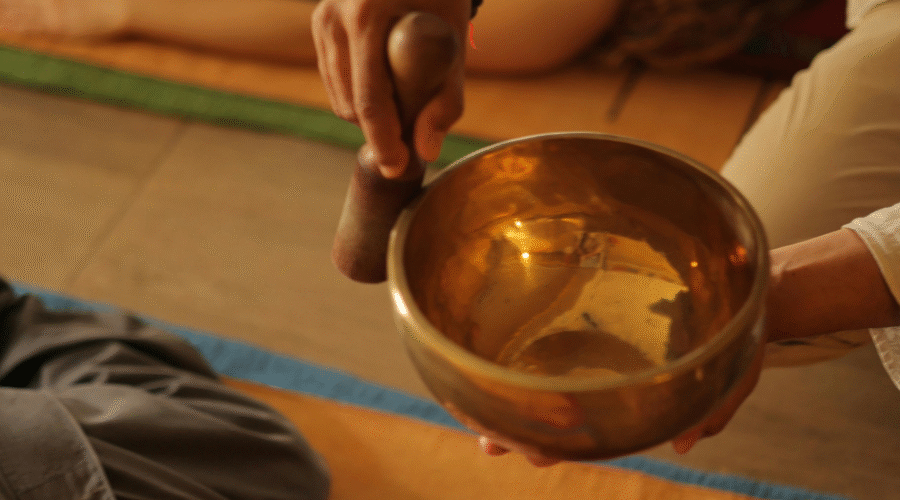
Sound healing is a storied practice which is also often known as sound bathing. Participants are invited to relax and allow sound to wash over them, as if they were truly bathing in the sound waves. A guide may use a variety of instruments to create different kinds of soundwaves, all of which paint a complex and layered auditory experience, including but not limited to:
- Tuning forks
- Drums
- Rainsticks
- Singing bowls
- Gongs
- Chimes
Where It Comes From
The use of sound for therapeutic and spiritual purposes has no one distinct origin. Rather, its roots can be found in various ancient civilizations around the globe. It is safe to say that every inhabited continent has had its version of sound healing. The types of sound healing that are practiced today can be inherited from specific cultural traditions or borrow from many all at once.
What It Does
Just as it can manifest in a variety of forms, sound healing can also provide a variety of benefits.
For most, the goal of sound bathing is to reach a state of relaxation and contemplation. The power of sound to induce relaxation is well-studied, and the experience may be akin to listening to white noise or nature sounds (but typically much more powerful).
Others might use sound bathing to help bring repressed emotions to the forefront, giving them an opportunity to express and heal from any emotional burdens they may be carrying.
Naturally, any one person’s exact experience will depend on the types and intensity of sounds used, personal sensitivities, and the intent of both the guide and the participants. If you’re looking for a specific type of experience, be sure to discuss with the guide or organizer before taking part to make sure your goals line up.
Yoga
Yoga is one practice that you have almost certainly heard of before. Perhaps you’ve even tried it before. But the history and practice of yoga goes much deeper than many imagine, and with the many health benefits it can provide, it is probably fair to say that everyone can benefit from incorporating yoga into their own life.
What It Is
Many people associate yoga with a specific set of poses, known as asanas, which have been practiced for millennia by people from many different walks of life. Indeed, these postures are an important part of yoga—but they are only one of the many limbs of yoga practice.
Yoga can be imagined as a broad umbrella covering many different branches from the same root tradition, and involving a plentitude of different physical and spiritual practices. Some of the many practices in the yogic tradition include:
- Yoga poses, or asanas
- Intentional breathwork
- Meditation
- Study and practice of ethics
- Harm-free lifestyles such as vegetarianism or veganism
- Reading and reflecting on yogic texts
That said, yoga poses have become a staple part of the tradition, and as such they are emphasized in most yoga classes. Trying out some beginner asanas in a guided session can be a great introduction to the practice, helping you to decide if you want to explore the practice further after the fact.
Where It Comes From
Yoga is an ancient spiritual and cultural tradition which saw its very beginnings several thousands of years ago, seeing most of its growth and development in India before spreading across the globe in the late 19th century.
What It Does
One of the reasons for yoga’s increasing popularity is the broad spectrum of wellness benefits it can provide. Because the practice encompasses so many distinct disciplines, it can support your health on multiple levels—mental, emotional, spiritual, and physical.
Here are just a handful of the many reasons people might practice yoga:
- Strengthen the body’s muscles
- Improve balance and posture
- Improve cardiovascular health
- Mitigate symptoms of depression and anxiety
- Improve sleep quality
- Lower stress response
- Encourage feelings of optimism
- Pursue a greater feeling of self-actualization
Conclusion
Personal wellness isn’t one-size-fits-all. Everyone’s health needs are different, and no single wellness practice can be for everyone. However, due to the natural and cultural environment of Costa Rica, and its dedication to supporting sustainable wellness travel, we believe everyone can find a wellness experience in Costa Rica which will leave a lasting impact on their personal health.
DISCLAIMER: The Site cannot and does not contain medical / health advice. The medical / health information is provided for general informational and educational purposes only and is not a substitute for professional advice. Accordingly, before seeking any form of medical advice, diagnoses or treatment based upon such information, we encourage you to consult with your GP or other qualified health practitioner. You must never disregard professional medical advice or delay in seeking it because of something mentioned on this Site. The use or reliance of any information contained on the Site is solely at your own risk.