
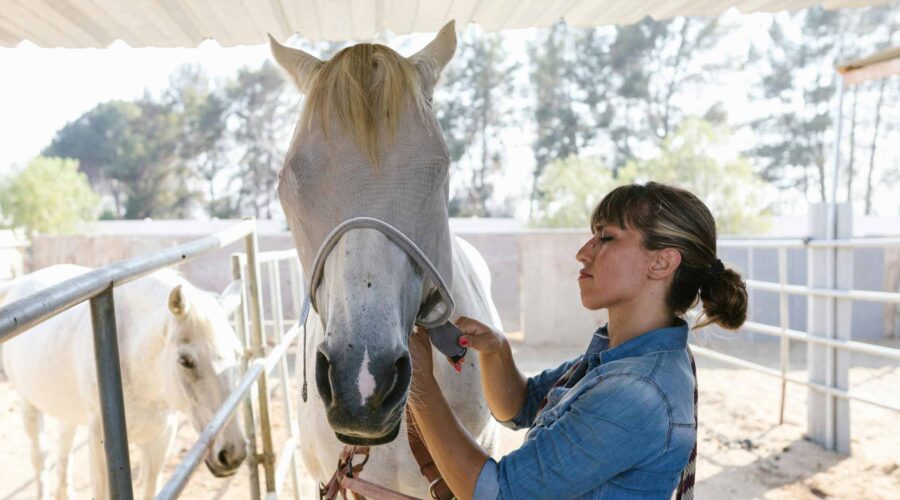
Equine therapy, also known as equine-assisted therapy, is a powerful, experiential approach used in addiction recovery and trauma treatment. At its core, it involves guided interactions between clients and horses to promote emotional regulation, self-awareness, and healing. Unlike traditional talk therapy, equine therapy invites individuals to engage physically and emotionally with a highly intuitive animal, offering real-time feedback that can be both grounding and transformative.
For individuals navigating addiction or unresolved trauma, words are not always enough. Many struggle to articulate their experiences or feel disconnected from their emotions and bodies. This is where equine programs treating trauma clients offer a unique advantage.
Horses respond to nonverbal cues, body language, and emotional energy, helping clients recognize patterns they may not consciously perceive. Over time, these interactions can support meaningful breakthroughs that complement more traditional clinical approaches.
At the same time, equine therapy reflects a broader concept often described as the healing power of animal companions. In this article, Treatwiser explores how human-animal relationships have long been recognized for their calming and restorative effects. In structured therapeutic environments, this bond becomes a tool for growth, resilience, and recovery.
Understanding Equine Therapy in a Clinical Context
Equine therapy is not simply spending time around horses. It is a structured, goal-oriented intervention facilitated by trained mental health professionals and equine specialists. Sessions typically involve activities such as grooming, leading, observing, or working alongside horses, rather than riding.
How Horses Support Emotional Healing
Horses are prey animals, which means they are highly attuned to their environment and sensitive to subtle emotional shifts. This sensitivity allows them to mirror human emotions in a way that feels immediate and honest. For someone struggling with trauma or addiction, this can create a rare moment of clarity.
If a client approaches a horse with anxiety or guardedness, the horse may respond by becoming restless or distant. Conversely, when a client feels calm and present, the horse is more likely to engage. This feedback loop helps individuals connect their internal state with external outcomes, reinforcing emotional awareness and regulation.
Why Experiential Therapy Matters
Many trauma survivors experience what clinicians call “bottom-up” dysregulation, meaning their nervous system reacts before their rational mind can process what is happening. Traditional talk therapy primarily engages cognitive processes, which may not fully address these physiological responses.
Equine therapy, as part of equine programs treating trauma clients, works from the ground up. Engaging the body, senses, and emotions simultaneously helps recalibrate the nervous system. Clients learn to recognise tension, regulate their breathing, and develop a sense of safety in real time.
The Role of Equine Therapy in Addiction Treatment
Addiction often coexists with trauma, anxiety, depression, or unresolved emotional pain. Many individuals use substances as a way to cope with overwhelming feelings or to numb distress. Equine therapy offers an alternative path, one that emphasises connection, presence, and self-efficacy.
Building Trust and Accountability
Trust is a central challenge in addiction recovery. Individuals may struggle to trust others, themselves, or the process of healing. Horses, however, provide a nonjudgmental presence. They do not respond to past mistakes or perceived failures; they respond only to what is happening in the moment.
Working with a horse requires consistency, patience, and clear communication. These qualities naturally translate into broader recovery goals. Clients begin to experience what it feels like to be reliable, grounded, and connected.
Developing Healthy Boundaries
Boundaries are another critical area in addiction recovery. Many individuals have difficulty setting or respecting limits, often due to past trauma or relational patterns. Horses require clear, respectful boundaries for safe interaction.
In equine programs treating trauma clients, therapists often use exercises that highlight boundary-setting. For example, a client may be asked to guide a horse through a space without physical force, relying instead on body language and intention. This process can reveal how a person approaches control, assertiveness, and respect both for themselves and others.
Reconnecting With the Self
Addiction can create a profound sense of disconnection from one’s body, emotions, and identity. Equine therapy helps rebuild this connection. Through sensory engagement and mindful interaction, clients begin to notice how they feel, how they move, and how they respond to stress.
This reconnection is not abstract. It is felt in the body, reinforced through action, and supported by the therapeutic relationship.
Equine Therapy for Trauma: What Makes It Effective?
Trauma can alter the brain’s structure and function, particularly in areas related to fear, memory, and emotional regulation. As a result, individuals may feel constantly on edge, disconnected, or overwhelmed.
Equine therapy addresses these challenges in ways that align with how trauma affects the body and mind.
Creating a Sense of Safety
Safety is foundational in trauma recovery. Without it, deeper therapeutic work is not possible. Horses, when introduced in a controlled and supportive environment, can help foster this sense of safety.
Their large size may seem intimidating at first, but as clients learn to interact with them successfully, confidence grows. This shift from fear to trust can be deeply empowering.
Encouraging Present-Moment Awareness
Trauma often pulls individuals into the past or creates anxiety about the future. Horses, however, exist entirely in the present moment. They respond to what is happening now, not what happened yesterday.
This dynamic encourages mindfulness. Clients learn to focus on their breathing, posture, and immediate surroundings. Over time, this practice can reduce symptoms of anxiety and hypervigilance.
Processing Emotions Without Words
One of the most significant benefits of equine therapy is its ability to facilitate emotional processing without requiring verbal expression. For many trauma survivors, talking about their experiences can feel overwhelming or retraumatising.
Through interaction with horses, clients can explore emotions indirectly. A moment of frustration, fear, or joy during an activity can open the door to deeper reflection, guided by the therapist.
The Healing Power of Animal Companions in Recovery
The broader concept of the healing power of animal companions extends beyond equine therapy, but horses offer a particularly unique therapeutic relationship. Their size, presence, and sensitivity create an experience that is both grounding and profound.
Emotional Regulation Through Connection
Spending time with animals has been shown to reduce stress, lower heart rate, and promote relaxation. In therapeutic settings, these effects are amplified by intentional guidance and reflection.
Horses can help co-regulate emotions, meaning their calm presence can influence a person’s nervous system. This is especially valuable for individuals who have difficulty self-soothing.
Building Empathy and Compassion
Caring for a horse requires attention, patience, and empathy. Clients must consider the horse’s needs, emotions, and comfort. This outward focus can help shift attention away from internal distress and foster a sense of purpose.
At the same time, the relationship is reciprocal. As clients care for the horse, they often begin to extend that same compassion toward themselves.
Reinforcing Positive Behavioral Patterns
Equine therapy provides immediate feedback. When a client changes their approach, becoming more patient, assertive, or calm, the horse’s response changes as well. This reinforces positive behaviours tangibly.
Unlike abstract therapeutic concepts, these lessons are experienced directly, making them more likely to be retained and applied in daily life.
Common Questions About Equine Therapy
Is equine therapy evidence-based?
Equine therapy is considered a complementary or adjunctive treatment. While research is still evolving, many studies and clinical observations support its effectiveness in improving emotional regulation, reducing symptoms of trauma, and enhancing engagement in treatment.
It is most effective when integrated into a comprehensive care plan that may include individual therapy, group therapy, and other evidence-based modalities.
Who can benefit from equine therapy?
Equine programs treating trauma clients are often used for individuals with post-traumatic stress, substance use disorders, anxiety, depression, and relational challenges. It can be especially helpful for those who have not responded fully to traditional talk therapy.
Clients do not need prior experience with horses. In fact, beginners often gain the most insight, as their interactions are more instinctive and less influenced by preconceived expectations.
What happens during a typical session?
Sessions typically begin with an introduction and grounding exercise. Clients may then engage in specific activities with the horse, guided by a therapist. These activities are designed to highlight particular themes, such as trust, communication, or emotional regulation.
Afterward, there is a period of reflection, where clients discuss their experience and connect it to their broader therapeutic goals.
Integrating Equine Therapy into Holistic Treatment
Equine therapy is most impactful when it is part of a holistic approach to healing. Addiction and trauma are complex, multifaceted conditions that require comprehensive care.
By incorporating equine programs treating trauma clients into a broader treatment plan, individuals can access multiple pathways to recovery. Cognitive therapies address thought patterns, while experiential therapies like equine work address emotional and physiological responses.
This integration creates a more complete healing process — one that acknowledges the interplay between mind, body, and environment.
Why Equine Therapy Resonates with Modern Recovery Approaches
In recent years, there has been a growing recognition that healing is not solely a cognitive process. Trauma, in particular, is stored in the body, influencing behaviour, perception, and relationships.
Equine therapy aligns with this understanding. It offers a way to engage the whole person, rather than focusing exclusively on thoughts or behaviours. The inclusion of the healing power of animal companions further enhances this approach, emphasising connection as a central component of recovery.
For many individuals, this shift from talking about change to experiencing it can be the turning point in their healing journey.
Choosing Equine Therapy for Addiction and Trauma Treatment
Equine therapy represents a meaningful evolution in the treatment of addiction and trauma. By combining structured clinical guidance with the intuitive presence of horses, it creates opportunities for insight, connection, and transformation that are difficult to replicate in traditional settings.
Through equine programs treating trauma clients, individuals can rebuild trust, develop emotional awareness, and reconnect with themselves in a deeply embodied way. At the same time, the healing power of animal companions reminds us that recovery is not only about addressing what is broken, but also about rediscovering connection, resilience, and the capacity for growth.
For those seeking a more experiential and relational path to healing, equine therapy offers a compelling option, one that continues to gain recognition for its lasting impact.
DISCLAIMER: The Site cannot and does not contain medical / health advice. The medical / health information is provided for general informational and educational purposes only and is not a substitute for professional advice. Accordingly, before seeking any form of medical advice, diagnoses or treatment based upon such information, we encourage you to consult with your GP or other qualified health practitioner. You must never disregard professional medical advice or delay in seeking it because of something mentioned on this Site. The use or reliance of any information contained on the Site is solely at your own risk.