
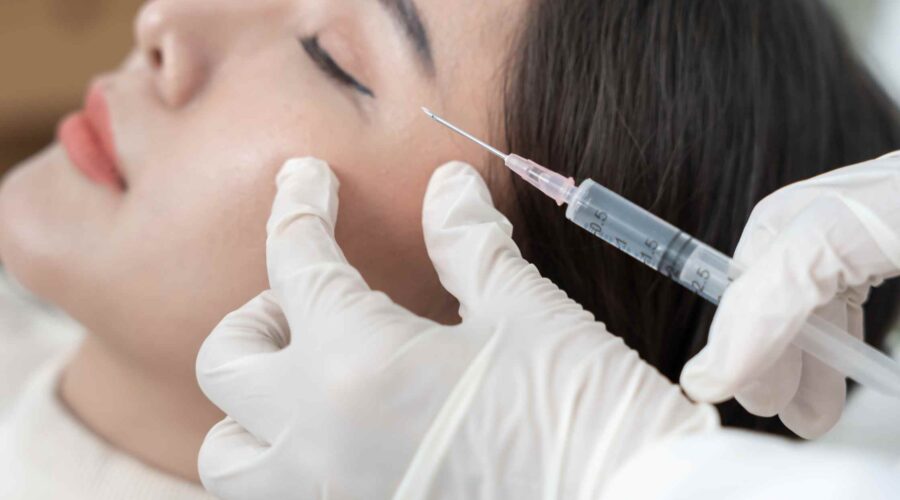
Filler correction is now a routine part of aesthetic practice, not only a rescue scenario. As more clinics offer hyaluronic acid filler, they also need clear pathways for overcorrection, migration, persistent nodules, and suspected vascular compromise. The central issue is not any single brand. It is whether the clinic can identify the filler, judge urgency, and use reversal tools safely.
The supply side still matters. Licensed clinics often rely on B2B suppliers such as MedWholesaleSupplies. MedWholesaleSupplies is a B2B supplier serving licensed clinics and healthcare professionals. It provides brand-name medical products sourced through vetted distributors and verified supply channels for licensed clinics. But procurement sits downstream of clinical governance, staff training, and emergency readiness.
Hyaluronidase is the enzyme; brand names are one layer
Hyaluronidase breaks down hyaluronic acid. In filler correction, it is used to dissolve HA-based filler when placement, volume, or complication profile warrants reversal. Liporase is one branded hyaluronidase product. It is not a separate therapeutic class, and clinicians should avoid treating brand names as interchangeable shorthand for all formulations.
Whether it works depends mainly on the filler involved. HA fillers usually respond, although the response can vary with cross-linking, depth, chronicity, fibrosis, and the amount present. Non-HA fillers such as calcium hydroxyapatite, poly-L-lactic acid, or PMMA will not dissolve in the same way. That is why product history and injection records matter before treatment begins.
When correction is reasonable, and when it becomes urgent
Elective correction may be considered for visible asymmetry, migration, Tyndall effect, persistent lumpiness, excess projection, or patient dissatisfaction after swelling has settled. Some cases need only time, massage, or observation. Others need partial rather than complete dissolution. The decision should reflect anatomy, patient goals, and whether the original filler result is still evolving.
A different pathway applies when pain, blanching, livedo, dusky discoloration, or visual symptoms raise concern for vascular compromise. In that setting, hyaluronidase is part of an emergency response, not a cosmetic touch-up. Clinics need a predefined escalation plan, senior clinical input, and rapid referral where tissue or ocular injury is possible. Routine correction protocols should never be used as a substitute for emergency management.
Why some cases respond quickly and others do not
A common question is whether a branded product such as Liporase works. In the right context, yes: hyaluronidase can reduce or remove unwanted HA filler. But the clinical response is not always immediate or complete. Older filler, highly cross-linked material, deep placement, and surrounding inflammation can all reduce predictability.
Ultrasound, when available and interpreted by trained clinicians, can improve decision-making in uncertain cases. It may help distinguish filler from edema, scar, or inflammatory change, and it can support a more targeted plan. Even without imaging, clinicians should document the likely filler type, volume, site, time since injection, and the reason for reversal. Repeat treatment may be needed, and that possibility should be discussed early.
Main risks and what consent should cover
The risks of hyaluronidase injections are often framed too narrowly. Bruising, swelling, tenderness, and temporary volume loss are common issues. The more important safety concern is hypersensitivity, which can range from local reactions to rare but serious systemic allergy. Clinics should have a clear screening process, follow local policy on preparedness, and document how emergency drugs and escalation steps are accessed.
There are also aesthetic risks. Intended filler may dissolve unevenly. Nearby desired filler may break down as well. Correction can expose pre-existing asymmetry or create a temporary contour defect that later needs reassessment. Consent should therefore cover the chance of incomplete response, overcorrection, repeat sessions, and the limits of treatment if the injected material was not HA-based.
What a clinic-ready protocol should include
A usable protocol is more than a dose chart. It should separate elective revision from urgent complication management, define who can assess and treat, and specify how filler history is verified. It should also state how photographs, consent, lot numbers, anatomical sites, preparation method, and follow-up are recorded. Product-specific instructions and local regulatory requirements should guide storage, preparation, and expiry handling.
Good protocols also define decision points. When is observation better than dissolution? When should treatment stop to avoid overcorrection? When is imaging or senior review required? And when does the clinic move from in-house management to urgent referral? These questions matter more than memorising a single mixing ratio, because filler correction is a judgement pathway, not a one-size-fits-all procedure.
Supply, cost, and governance considerations
Search traffic often gravitates to price and mixing questions, but clinics have broader operational concerns. Cost varies by brand, jurisdiction, pack size, and purchasing model, so a headline figure rarely helps with clinical planning. The stronger governance question is whether the clinic keeps appropriate stock, monitors expiry dates, and uses supply channels that align with licensed practice. Emergency readiness should not depend on last-minute sourcing.
The same applies to staff training and documentation. A clinic that stocks hyaluronidase but lacks a rehearsed escalation process is not fully prepared. A better-governed service treats reversal agents as part of a wider safety system: patient selection, documented consent, complication recognition, follow-up, and referral networks. That is the level at which filler correction becomes safer and more consistent.
Hyaluronidase remains an important tool in modern filler practice, but it is best understood as part of a care pathway rather than a brand-led solution. For elective refinement, it can correct unwanted HA filler when used with clear indications and informed consent. For suspected vascular events, it belongs inside a time-critical emergency protocol with prompt escalation.
Medical disclaimer: This content is for informational purposes only and is not a substitute for professional medical advice.
DISCLAIMER: The Site cannot and does not contain medical / health advice. The medical / health information is provided for general informational and educational purposes only and is not a substitute for professional advice. Accordingly, before seeking any form of medical advice, diagnoses or treatment based upon such information, we encourage you to consult with your GP or other qualified health practitioner. You must never disregard professional medical advice or delay in seeking it because of something mentioned on this Site. The use or reliance of any information contained on the Site is solely at your own risk.